Our Vineyard best Nebbiolo in Masserano

Location: Frazione Sossi, Masserano, Northern Piedmont (Alto Piemonte)
Altitude: Approximately 350 metres above sea level
Area: 2 hectares
Grape variety: Nebbiolo
Appellations: Bramaterra DOC & Coste della Sesia DOC
Planted: 2020

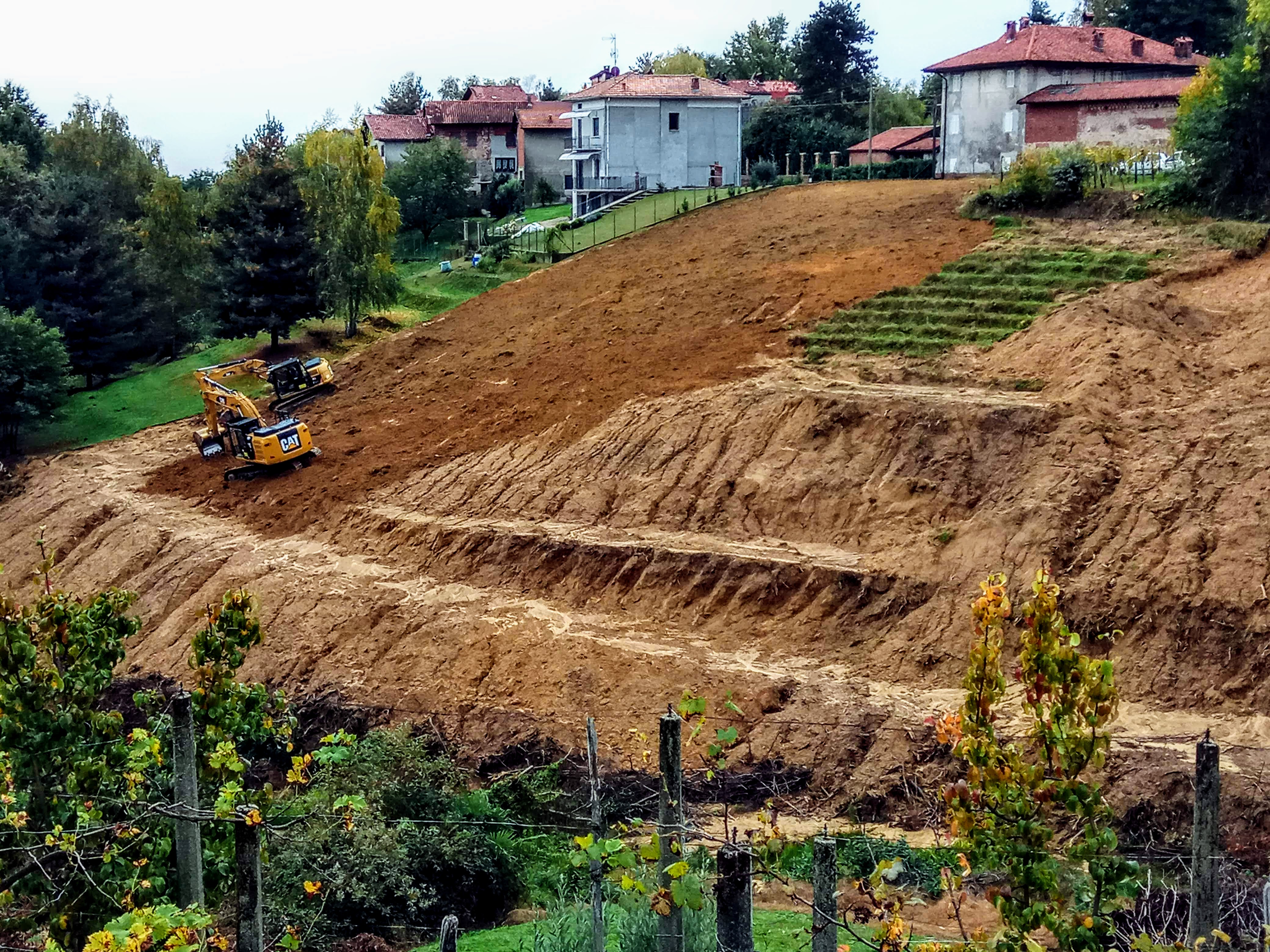
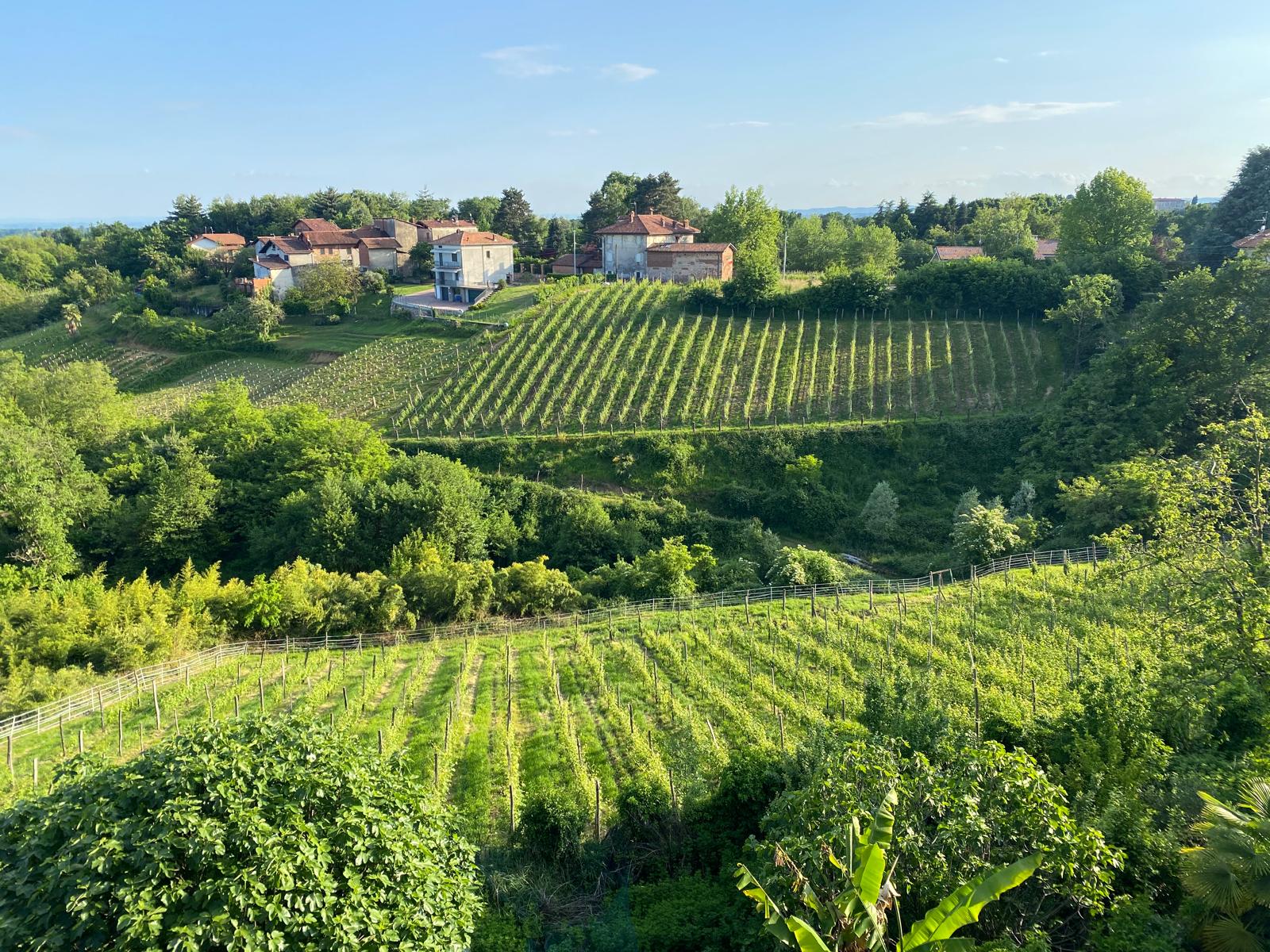
Every vineyard is shaped by two things: the people who care for it and the place where it grows. Ours began on a hillside below the family home in Masserano that had once been covered with vines before gradually returning to woodland. Today, two hectares of Nebbiolo grow here once again, restoring a vineyard that had almost disappeared beneath the trees.

The winemakers who came before us chose this land for a reason. Its south-facing slopes were regarded locally as among the best in Masserano for growing vines. Their slightly elevated position, excellent sun exposure and well-drained soils created the ideal conditions for Nebbiolo to thrive.
RESTORING THE VINEYARD
CLEARING THE LAND
In 2020, our first challenge was to clear the land. Before we could plant a single vine, trees had to be felled, dense undergrowth cleared and tree stumps removed. It was months of hard physical work, but every step brought us closer to restoring the vineyard that had once stood here.
PLANTING THE VINES
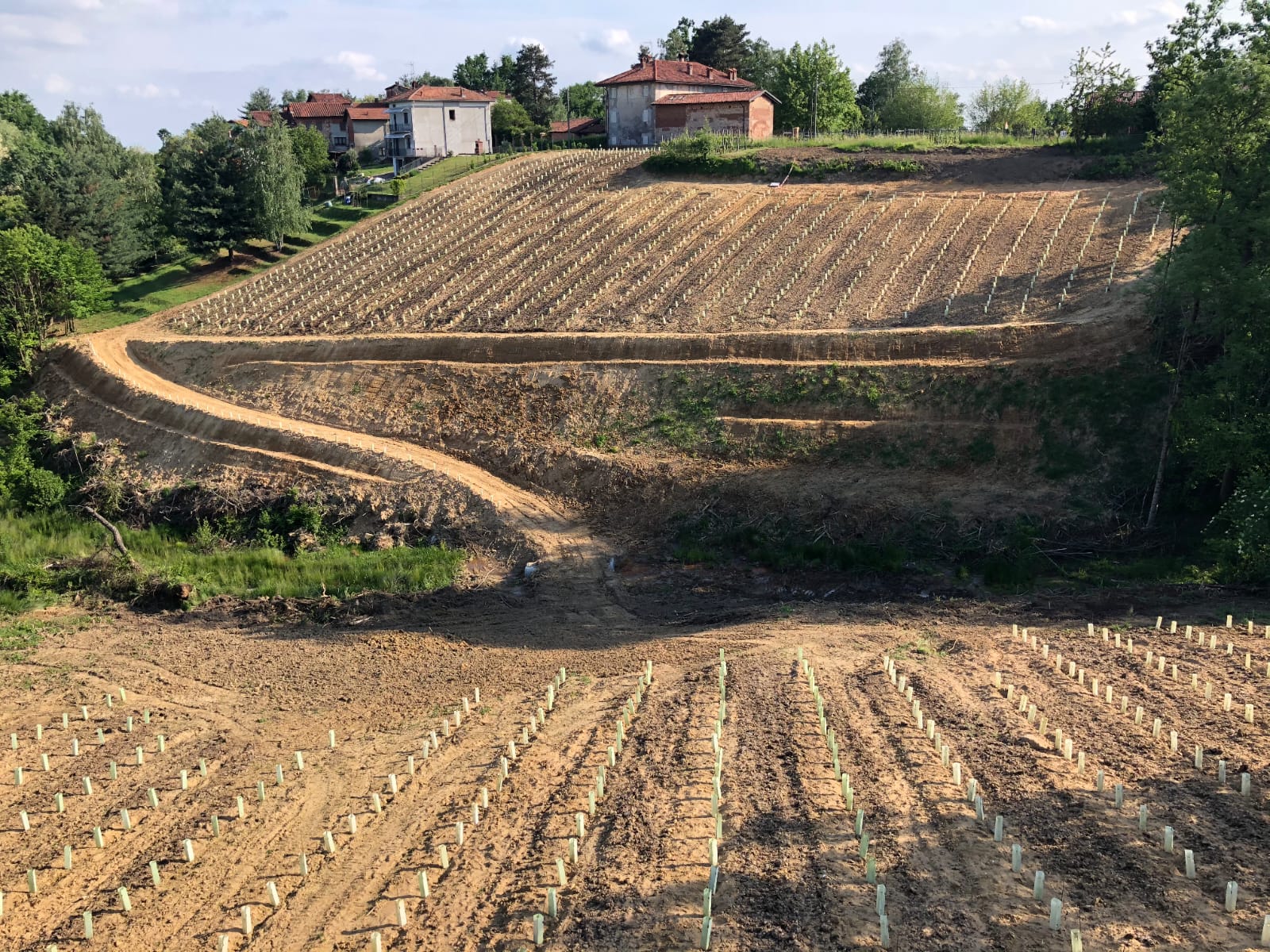
With the land finally cleared, the vineyard could begin to take shape. Posts and wires were installed, and row after row of young Nebbiolo vines were planted. Watching the first shoots appear the following spring was one of those moments that made all the hard work worthwhile.
WORKING THE VINEYARD
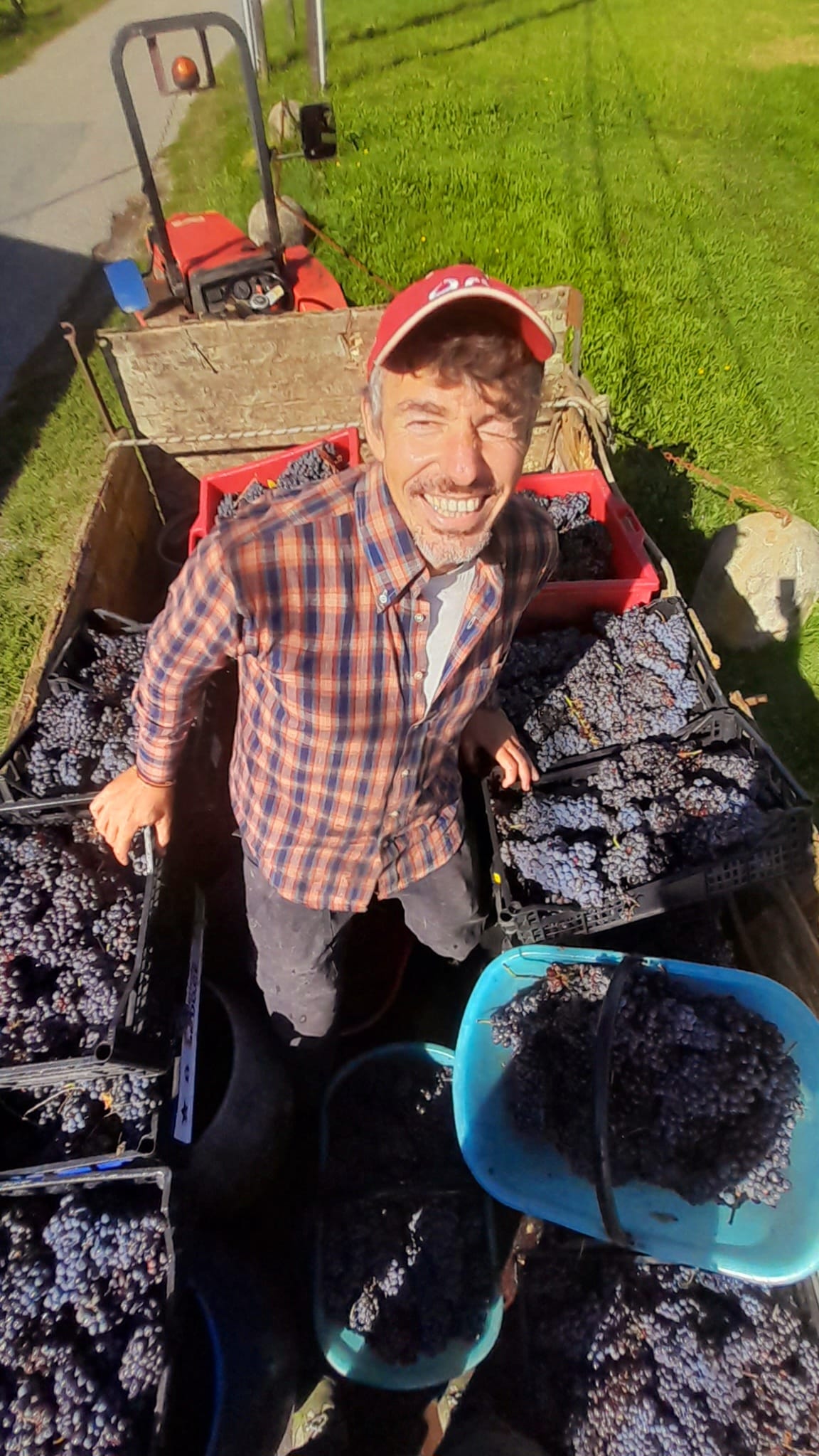
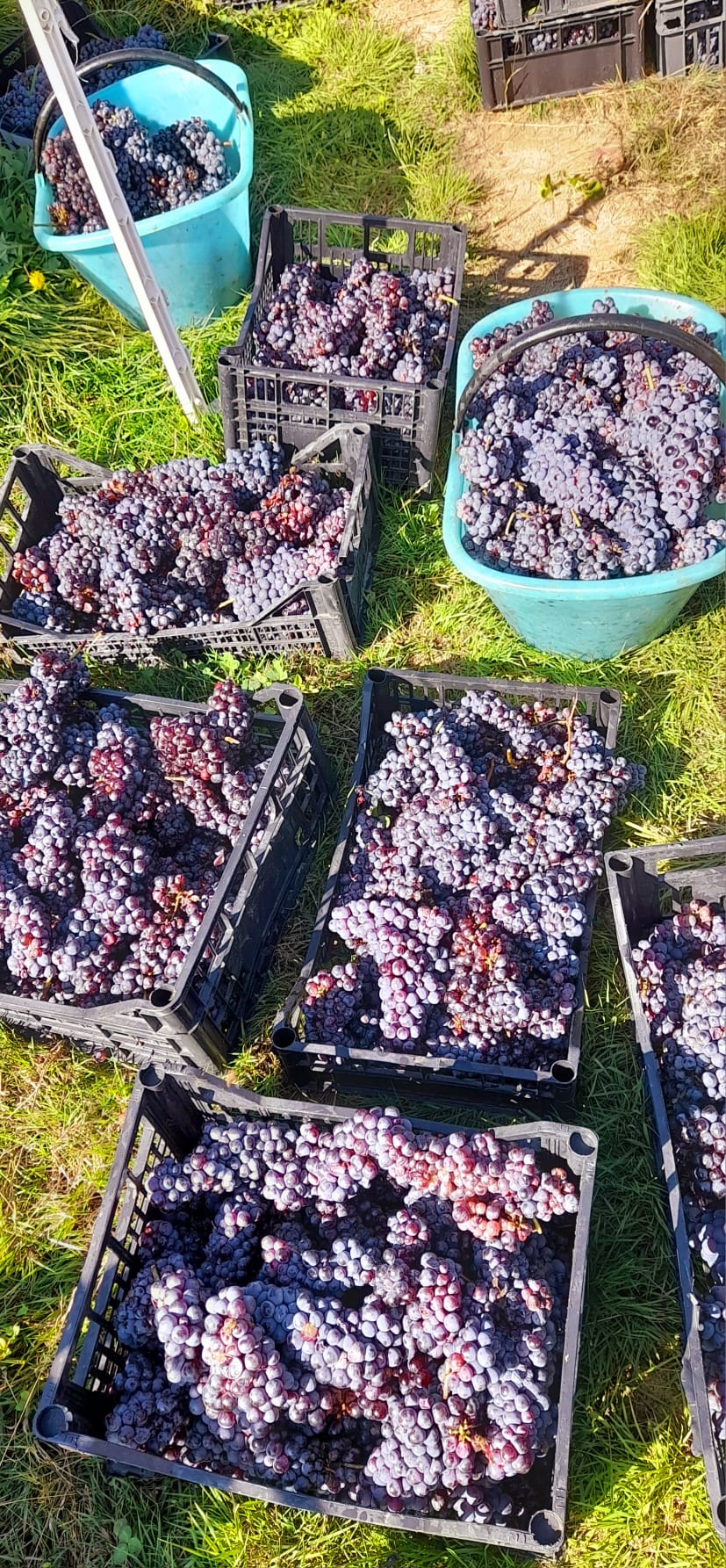
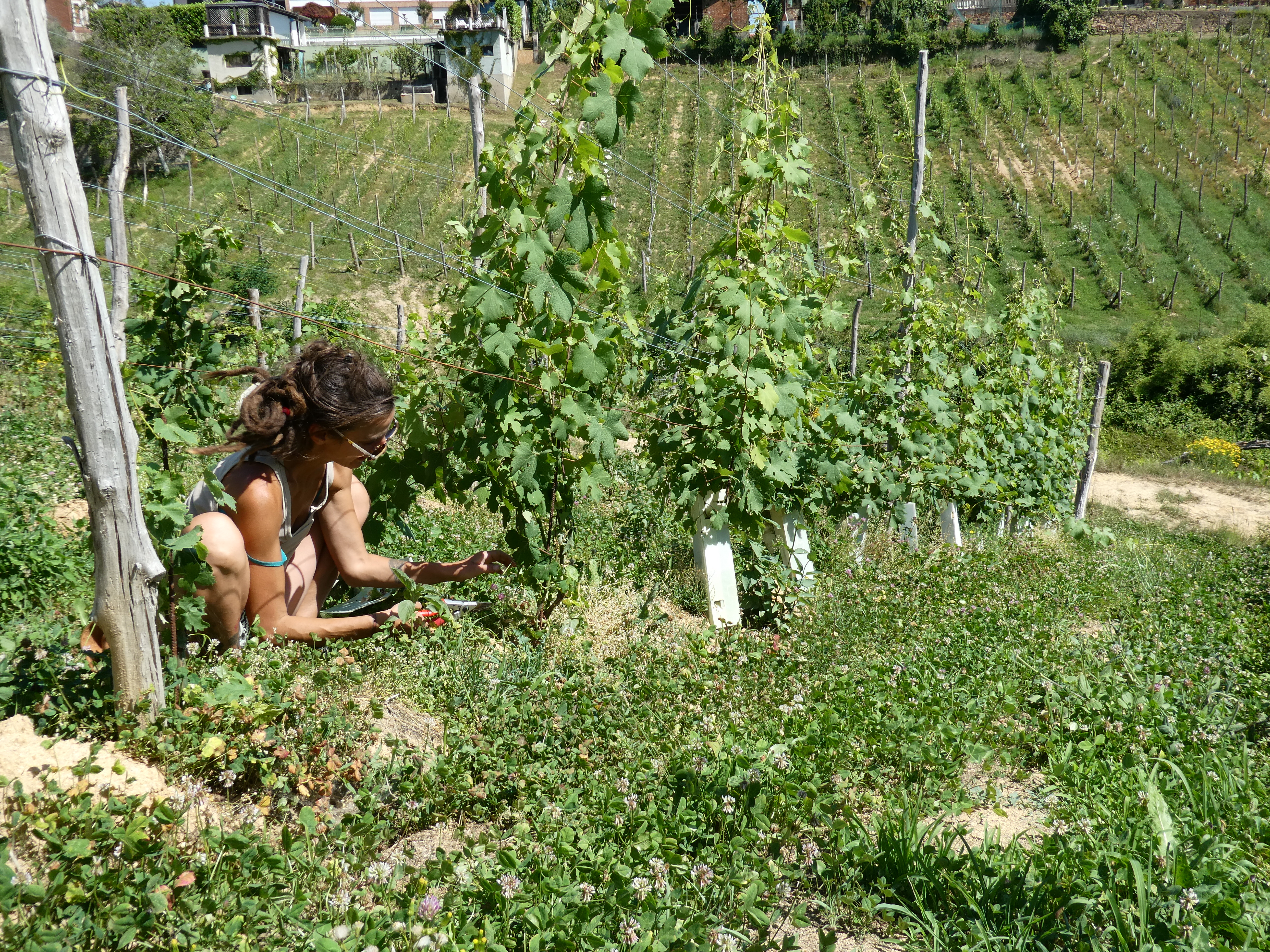
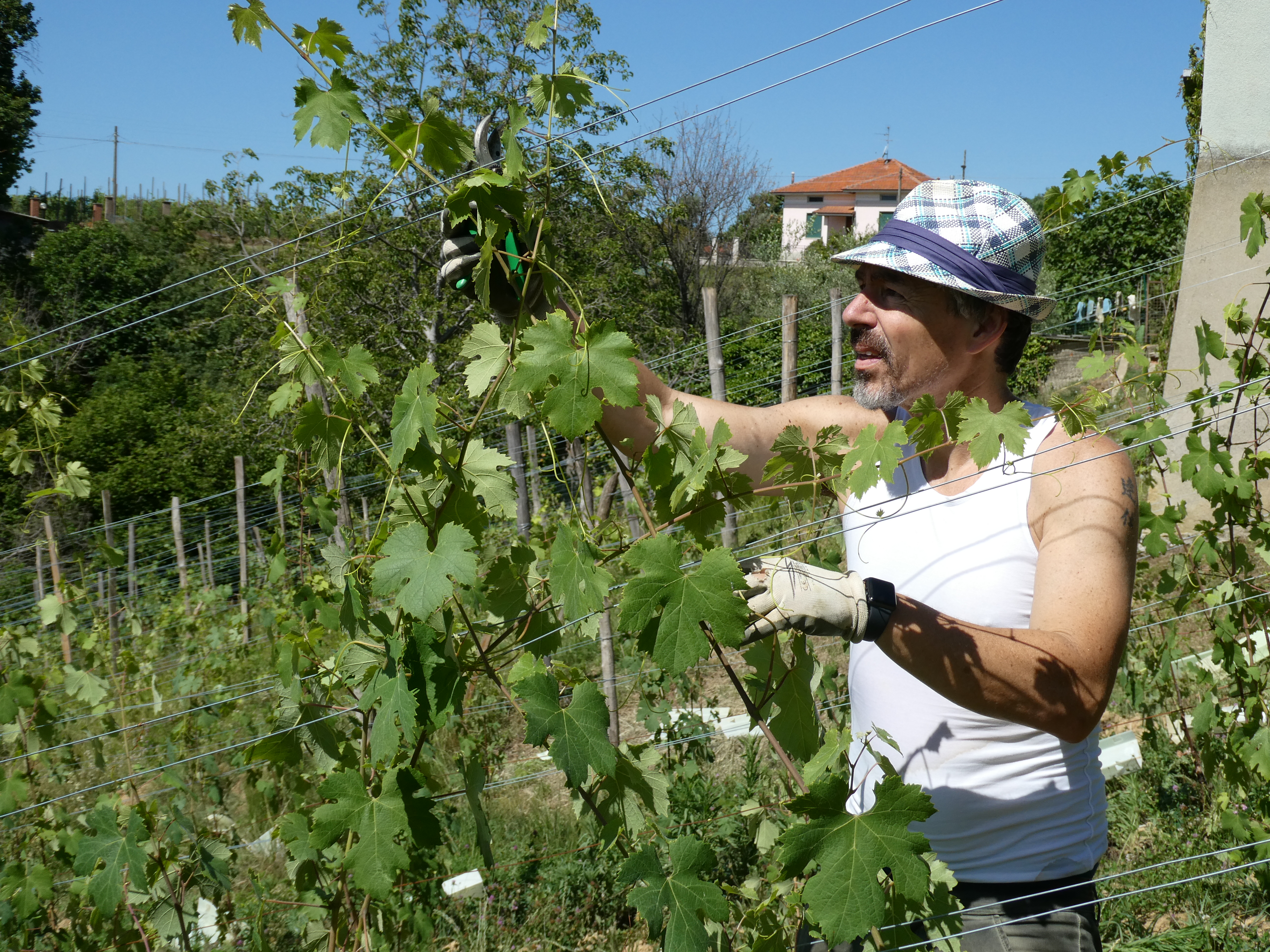
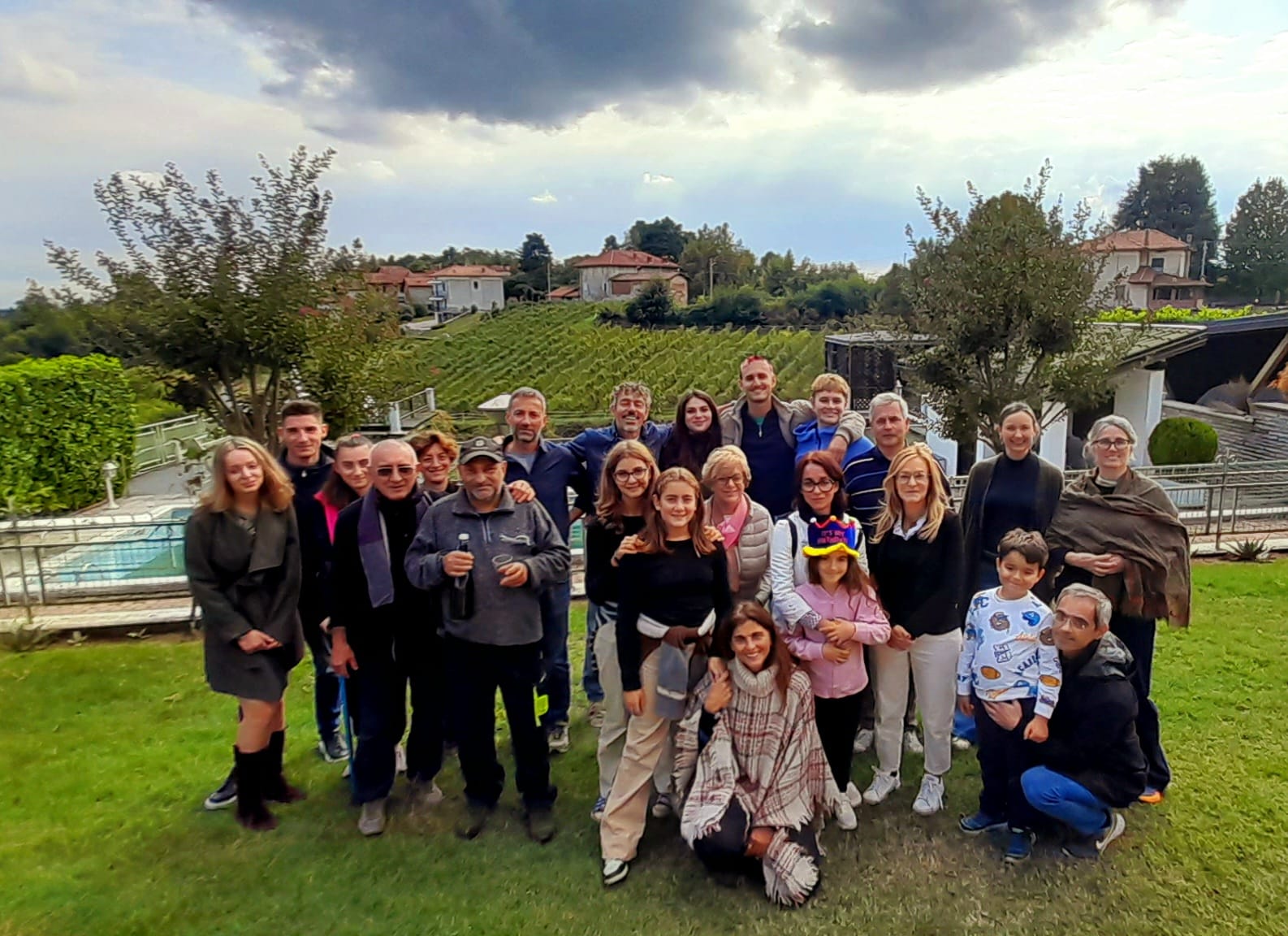
A vineyard is never finished. Every season brings different tasks, each playing its part in producing healthy grapes. Winter is the time for pruning. In spring, new shoots are tied and the vines protected from late frosts. Summer is spent managing the canopy, mowing between the rows and monitoring the ripening grapes. By autumn, everything leads to harvest. Much of this work takes place during evenings, weekends and holidays, with family and friends helping whenever they can.


Why Masserano?
Nebbiolo has been grown around Masserano for centuries. Our vineyard lies within the Bramaterra and Coste della Sesia appellations, part of a long winemaking tradition in Alto Piemonte. By bringing this hillside back into production, we are continuing a story that began long before us.


ALPINE CLIMATE At around 350 metres above sea level, our vineyard lies in the foothills of the Alps, where fresh mountain breezes, sunny days and cool nights create ideal conditions for growing Nebbiolo. The difference between daytime and night-time temperatures helps the grapes ripen slowly, preserving freshness and developing the elegant aromas typical of Alto Piemonte wines.
VOLCANIC SOIL One of Masserano's defining features is its distinctive red, iron-rich soil. Ancient volcanic soils are well drained and encourage the vines to develop deep roots, contributing to the character and identity of the wines produced here.
Why Alto Piemonte?
Vineyard Facts Location: Frazione Sossi, Masserano, Piedmont Altitude: Approximately 350 metres above sea level Area: 2 hectares Grape variety: Nebbiolo Appellations: Bramaterra DOC & Coste della Sesia DOC Planted: 2020 (Display as a sidebar or information panel.) Our vineyard lies in Northern Piedmont (Alto Piemonte), where winemaking has been part of the landscape since Roman times, a tradition stretching back more than 2,000 years. By the nineteenth century, Northern Piedmont had become one of Italy's most important wine-growing regions, with the hills around Masserano, Gattinara, Ghemme, Lessona and Boca extensively planted with Nebbiolo. As the textile industry around Biella expanded in the late nineteenth and early twentieth centuries, many people left the vineyards to work in the factories. Over time, countless vineyards were abandoned and gradually reclaimed by woodland, including the one we are fortunate enough to care for today. In Southern Piedmont, the story was different. The vineyards of the Langhe continued to be cultivated and developed, and wines such as Barolo, Barbaresco, Barbera d'Asti and Dolcetto gradually became recognised around the world. For many people outside Italy, these wines came to define Piedmont itself, while the historic vineyards of the north were largely forgotten. In recent decades, however, Northern Piedmont has enjoyed a remarkable revival. Across the region, growers are restoring historic vineyards, bringing abandoned hillsides back into production and rediscovering the distinctive character of these landscapes. Wines from appellations such as Gattinara, Ghemme, Lessona, Boca and Bramaterra are once again attracting international attention. Although Nebbiolo is the principal grape in both Northern and Southern Piedmont, it expresses itself differently in each region. Northern Piedmont's cooler Alpine climate, higher elevations and distinctive mineral-rich soils generally produce wines known for their freshness, elegance, aromatic complexity and fine tannins. In the warmer climate of Southern Piedmont, Nebbiolo tends to produce fuller-bodied, richer wines. One of Masserano's defining features is its distinctive red, iron-rich soil. These ancient, well-drained soils contain material derived from the volcanic rocks of Northern Piedmont and contribute to the freshness, elegance and character of the wines grown here. For us, restoring an old vineyard in Masserano means becoming part of Northern Piedmont's continuing revival. Every season is another small step in the story of bringing these historic vineyards back to life.